Buying a House in Cuenca as a Foreigner: Step by Step
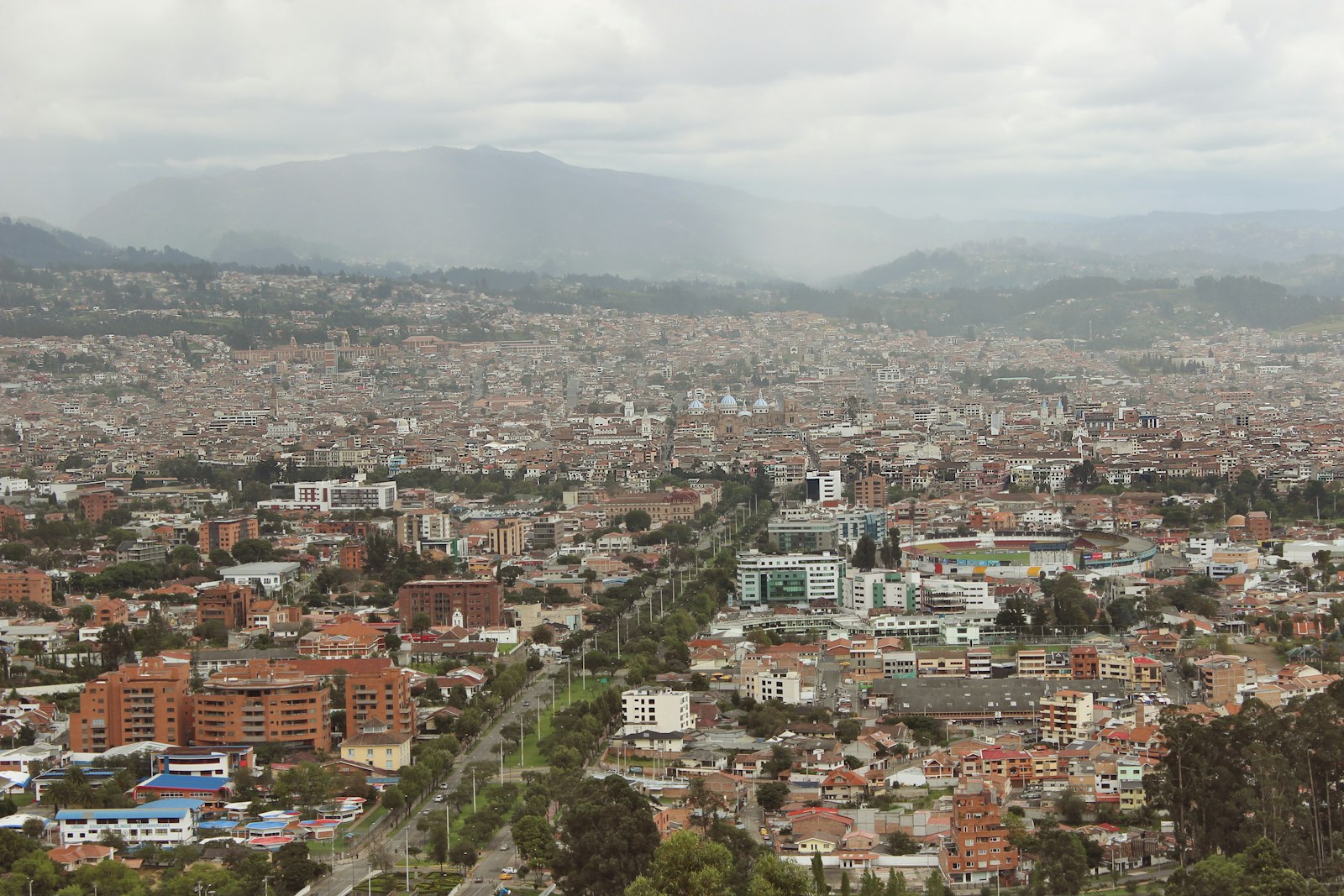
Short version: a foreigner can buy a house in Cuenca with a passport, without being a resident. The process is the same as for an Ecuadorian: verify the owner and the property, sign a promise of sale and a deed before a notary, pay the municipal transfer taxes and register the deed at the Property Registry. What protects your money most is checking documents before you pay and never sending funds without a contract.
This guide follows the decisions in the order they come up: how the purchase works, what to check, how to pay, what to do if you do not live in Ecuador, and when a purchase can support a visa.
1. Can I buy a house in Cuenca as a foreigner?
In general, yes. Buying an urban property from a private seller does not require prior residency. You need valid ID (your passport) and, to stay calm through the process, a lawyer you trust.
One exception is worth ruling out at the start: Ecuadorian law restricts foreigners from acquiring land in border security zones. Ask your lawyer to confirm, using the exact location and cadastral key, that the property is not in one.
2. What are the steps to buy?
The usual order:
- Choose the property and ask for its exact location, cadastral key and deed.
- Verify ownership. A lien certificate (certificado de gravámenes) from the Property Registry shows owners, history, mortgages, bans on sale and seizures. Since July 2025, the Cuenca Registry requires a current lien certificate to register transfers of ownership.
- Sign a promise of sale with the terms, deadlines and deposit amount in writing.
- Pay the municipal transfer taxes. In Cuenca, the official alcabala procedure asks for, among other documents, the draft deed, an updated lien certificate and a cadastral key with no debt.
- Sign the public deed before a notary.
- Register the deed at the Property Registry. Registration requires the deed, the lien certificate and proof of alcabala and, where applicable, capital-gains (plusvalía) payment. You can file in person or online.
Until the deed is registered, the purchase is not complete. This is the step people forget most.
3. Which documents should I check before paying?
Ask for these and read them with your lawyer:
- The seller’s registered deed and an updated lien certificate.
- Cadastral key and proof that property tax is up to date.
- The seller’s identity and, if a company sells, its current appointment record.
- If there are heirs or co-owners, proof that all of them take part in the sale.
- For apartments, the expense certificate and the condominium rules. We explain this in apartment fees (alícuotas) in Cuenca.
- Plans and municipal permits, especially for older or remodeled houses. If you are looking downtown, read buying a historic center house to renovate.
If something does not match what you see on the visit (area, boundaries, construction without plans), pause until a professional explains it.
4. How do I avoid a scam?
The common problems repeat, and documents prevent almost all of them:
- Paying without a contract. No deposit goes out by message or phone call. Before transferring, a signed promise must say who is paid, for what and under which conditions.
- A seller who is not the owner, or who shows a certificate that does not match the system. Always confirm the certificate directly with the Property Registry.
- Pressure to decide. If they say another buyer is waiting and you must pay today, that is a reason to ask for more time, not less.
- Procedures that “get fixed later.” If the seller promises to regularize plans, boundaries or permits after the sale, put in writing what is missing, who does it and what happens if it fails.
- Doubtful powers of attorney. If someone sells on the owner’s behalf, ask for the power and check that it is still valid. Ecuador’s foreign ministry issues a validity certificate for powers granted at Ecuadorian consulates.
- Third-party accounts. Pay only to an account whose holder matches the seller or the person named in the contract.
To see how we back each transaction, read our guarantees.
5. How do I pay from abroad?
Purchases are paid in US dollars, Ecuador’s currency, so there is no currency exchange involved. What matters is leaving a trail: a bank transfer to the seller’s account or the one set in the contract, the receipt saved, clear payment references.
Your home bank may ask where the money comes from, so keep statements or the paperwork from the sale of your previous home. Ask your bank about limits, timing and fees for international transfers, since they vary by institution. I could not confirm a fixed timeline or amount in official sources, so I do not give you one.
6. Can I buy without traveling to Cuenca?
Yes, with a special power of attorney in favor of someone you trust, normally a lawyer, who signs for you. The power can be granted at an Ecuadorian consulate or in your own country, with the legalization steps that apply.
If the document is issued in another country, it usually needs an apostille. Ecuador’s foreign ministry says apostilles are processed at its regional offices, at consular offices or online, with an official fee of USD 30. A certified translator may be needed if the power is in English.
Two precautions: the power should name the property and the specific authority (sign the promise, sign the deed, receive the keys), and payment should go through an account in your name or follow written instructions. If someone asks for a general power of attorney “to speed everything up,” stop and get advice.
If you are buying from the United States, see our page on the process from the USA.
7. Which taxes and costs should I ask about?
Ask about each one before the promise, so you know who pays what:
- Alcabala. A municipal tax on the transfer of real estate (COOTAD, art. 527). It is assessed by the Municipality of Cuenca.
- Capital gains (plusvalía) on the sale. The COOTAD regulates it for urban properties. Ask whether it applies and who pays it, because the Registry may ask for proof of payment.
- Registry fees. The fee schedule is in the Cuenca Property Registry ordinance.
- Notary and professional fees. Ask for a written quote.
- Property tax and utilities. Check that nothing is owed.
I did not find official figures that would let me give you a total closing-cost percentage without risking an error. Ask your lawyer for a settlement estimate for your case. For a market reference, see how much it costs to buy a house in Cuenca.
8. Does buying a house give me a visa?
It can support the temporary investor residency, but it is not automatic. The foreign ministry’s official page requires a real estate investment of no less than 100 unified basic salaries, with a purchase deed in your name registered at the Property Registry. The visa is valid for 2 years, and the published fees are USD 50 for the application and USD 270 for the approved visa.
With a basic salary of USD 482 in 2026 (per the National Labor and Wage Council, as reported by Expreso), that equals USD 48,200. Before buying with this in mind, confirm with the foreign ministry or an immigration lawyer whether the deed price or the cadastral value counts, because the sources I found disagree. Do not assume anything about dependents, residence requirements or permanent residency without checking current rules.
Checklist before you send money
- I have the exact location, the cadastral key and the deed.
- A lawyer reviewed the lien certificate and the seller’s identity.
- I understand which taxes and costs fall on each party.
- The promise is in writing, with deadlines and conditions.
- If I buy remotely, the power of attorney is legalized and limited to what is needed.
- I paid only to an account that matches the contract.
- I know the purchase ends with registration of the deed.
Frequently asked questions
Do I need to be a resident to buy a house in Cuenca?
No. Buying an urban property does not require prior residency; you need valid ID and the property must not be in a zone restricted for foreigners.
Is the purchase done when I sign the deed?
No. The deed must be registered at the cantonal Property Registry. Registration is the last step of the process.
Can I buy if I live outside Ecuador?
Yes, with a special power of attorney in favor of someone you trust, legalized or apostilled as the case requires. Review with a lawyer which powers it includes before signing.
Does buying a house give me residency?
It can support the temporary investor residency if the property meets the minimum of 100 unified basic salaries and the deed is registered. Confirm with the foreign ministry how the property is valued before you buy.
How do I know a Registry certificate is genuine?
Verify it directly with the Property Registry, not only through the copy the seller gives you. Ask your lawyer to cross-check it.
Next step
To compare options, browse houses for sale in Cuenca, apartments in Cuenca or land in Cuenca. If you are still choosing an area, use the prices by zone page. If you want to build, read how to review a lot; if this is your first purchase, see how to buy your first house in Cuenca.
For specific questions, message Cuenca House on WhatsApp with the listing link and your questions.
Cuenca House. Lic. Prof. 725-T.
Informational content. It is not legal, tax or immigration advice. Requirements change and must be confirmed for each case with a lawyer and the competent authorities.
Sources used
- Ecuador foreign ministry (Human Mobility): Temporary investor residence visa
- Foreign ministry: Apostille and document legalization
- Foreign ministry: Power of attorney validity certificate
- Municipality of Cuenca: Alcabala tax
- Cuenca Property Registry: Registration of real estate sales and lien certificate
- El Mercurio: Lien certificate required since July 2025
- Expreso: 2026 basic salary, Ministry of Labor agreement
Questions about this topic? Let’s talk.
Ask on WhatsApp