Apartments for Sale in Cuenca: How to Choose Area and Building
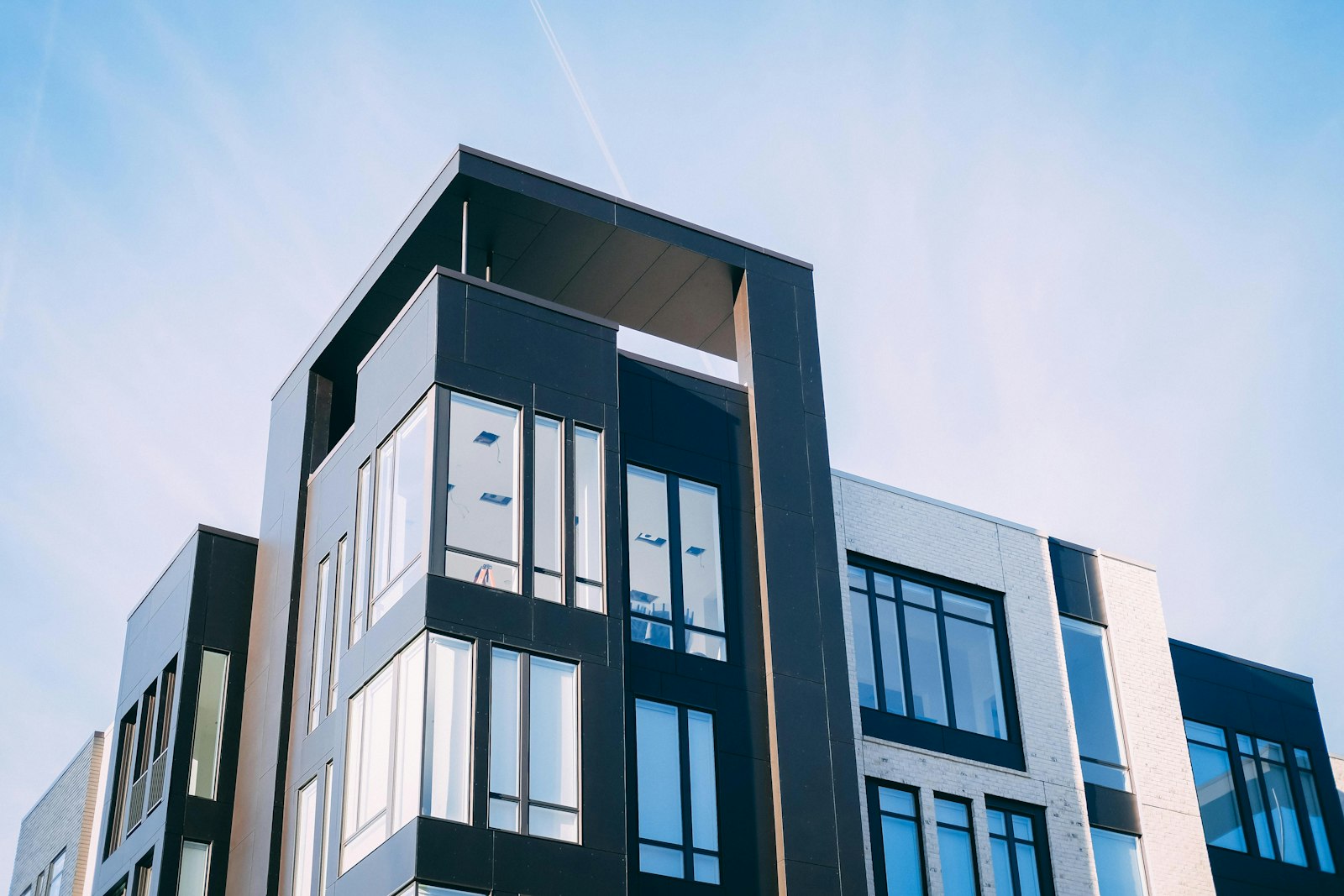
To choose an apartment for sale in Cuenca, first define how you will live there (work, getting around, noise, pets, guests), then compare areas and buildings using the same criteria. Prices by area change with supply, so check them in current listings rather than in a guide.
In practice it comes down to four decisions: area, building, new or used, and paperwork. This guide gives you criteria for each, a visit checklist and the questions worth asking before you make an offer. For current prices, see the apartment catalog and the prices by area page.
1. How to choose an area without relying on a number
An area that suits someone else may not suit you. Before comparing neighborhoods, answer:
- How often do you leave home each week, and where to (office, university, school, airport)?
- Do you want to walk for most errands, or is a car fine?
- How much noise can you accept at night and on weekends?
- Do you need your own parking space?
- Will you live there, or rent it out later?
With that in mind, here are general traits of areas buyers often consider. Confirm them by walking the area at the hours that matter to you:
- El Ejido and Ordóñez Lasso: established residential areas with shops and services nearby. Expect more mid-rise buildings than on the outskirts. Check rush-hour traffic before deciding. See properties in El Ejido and Ordóñez Lasso.
- Yanuncay: a large area with very different pockets. Check the slope, access and distance to main roads for the exact street. See properties in Yanuncay.
- Challuabamba and Misicata: farther from downtown than most of the areas above. If they interest you, estimate real travel time and which services you will have close by. See Challuabamba and Misicata.
- Historic Center: heritage setting, walkable. Conservation rules may apply if you want to modify the property; ask the municipality before planning a renovation.
A simple trick: pick two or three areas, visit each on a weekday morning and on a Saturday night, and compare how you felt. That often decides more than any table.
2. What to look at in the building, not only the apartment
You can renovate an apartment. You can hardly renovate a building. During the visit, check:
- Facade, visible roof, hallways and stairs: damp, cracks, peeling paint.
- Elevator: whether it works and when it was last serviced.
- Water: pressure, cistern and pump. Open the taps and see how long hot water takes.
- Access and security: entry control, lighting, cameras.
- Parking: real dimensions, maneuvering room and whether it appears in the deed.
- Management: who runs it, how often owners are informed, and whether minutes are available.
Shared costs deserve their own review. What the “alícuota” is, what to ask and how to compare buildings is covered in this guide on condominium fees.
3. New or used: how to compare
| Criterion | New or off-plan | Used |
|---|---|---|
| What you see | Model, plans, sometimes a show unit | The actual apartment, flaws included |
| Main risk | Delivery differs from the promise or is late | Wear, damp and undisclosed repairs |
| What to require | Clear contract, schedule, finishes in writing, developer backing | Repair history, payment status, technical inspection |
| Cost to plan for | Furnishing and handover details | Renovation and repairs |
If you buy off-plan, get the finishes, delivery dates and the consequences of delay in writing. If you buy used, have a professional check electrical, plumbing and damp before the purchase promise.
4. What to ask before offering
These questions have verifiable answers. If someone says “that can’t be known”, write it down:
- Who is the registered owner, and since when?
- Are there mortgages, liens or other encumbrances? The Property Registry certificate confirms this.
- Are property taxes and condominium fees up to date?
- Do parking and storage appear in the deed, or only in conversation?
- Are there approved or pending extraordinary works or contributions?
- Why is it being sold, and how long has it been listed?
- Does the paperwork match what you see (areas, extensions, enclosures)?
Legal and tax review depends on each case. A lawyer you trust should review the promise and the deed. To build your total budget, which includes costs beyond the list price, use how much it costs to buy a house in Cuenca.
5. Common mistakes
- Falling for the view instead of the building. A good view does not fix disorganized management.
- Visiting once. Go at two different times, at least.
- Comparing prices without comparing what is included. Parking, storage, finishes and condo fees change the real cost.
- Assuming everything offered is on paper. Ask for it in writing.
- Calculating returns from promises. If you plan to rent, check the building rules and applicable regulations before counting on that income.
- Leaving financing for last. If you need a loan, ask the lender for current requirements and terms before offering; do not rely on rates or terms from memory.
If it is your first purchase, see how to buy your first home in Cuenca. If you are buying from abroad, read the guide for foreigners.
6. Visit checklist
Print it or copy it to your phone:
- I went at two different times (day and night, or weekday and weekend).
- I listened to noise from the bedroom and living room.
- I tested hot water, pressure, lights, outlets and windows.
- I checked ceilings and corners for damp.
- I walked the hallways, stairs, elevator and parking.
- I measured key spaces against my furniture.
- I asked for the condo fee, what it covers and recent minutes.
- I confirmed what is in the deed (parking, storage, terrace).
- I walked the area looking for a supermarket, pharmacy and transit.
- I noted what is still to confirm before offering.
Frequently asked questions
Which area of Cuenca is best for buying an apartment?
It depends on how you live: where you work, whether you drive, how much noise you tolerate and whether you plan to rent. Compare two or three areas with the same criteria and visit them at different times.
How much does an apartment cost in Cuenca?
It varies by area, building, age and finishes, and it changes over time. Check current listings in the catalog and values by area in prices by area.
Should I buy a new or a used apartment?
A new or off-plan unit has less wear but depends on what the developer delivers. A used one is seen as it is, but needs technical and document review. The best option is the one you can verify best.
What documents should I ask for before buying?
At minimum: the deed, an up-to-date Property Registry certificate, property tax receipts and the status of condominium fees. A lawyer should review them before you sign the purchase promise.
How much should I expect to pay in condominium fees?
There is no general figure. Ask for the breakdown of the fee, what it includes and what is billed separately, and compare buildings with equivalent services. More in the guide on condominium fees.
Want to compare options with someone who knows them?
Cuenca House works with licensed brokers (Lic. Prof. 725-T). If you already have an apartment in mind or want to narrow your list of areas, message us on WhatsApp. See also our guarantees.
Informational content. The legal, tax and financing requirements of a purchase depend on each case and should be reviewed against the property’s documents and with professional advice.
Sources used
- Municipality of Cuenca: Declaration under horizontal property regime (Spanish): the page lists the horizontal property bylaws, the table of areas and fee shares, and a current Property Registry certificate among its requirements.
Questions about this topic? Let’s talk.
Ask on WhatsApp